Why Magnetic Attachment Is the Only Phone Stand Design That Actually Works
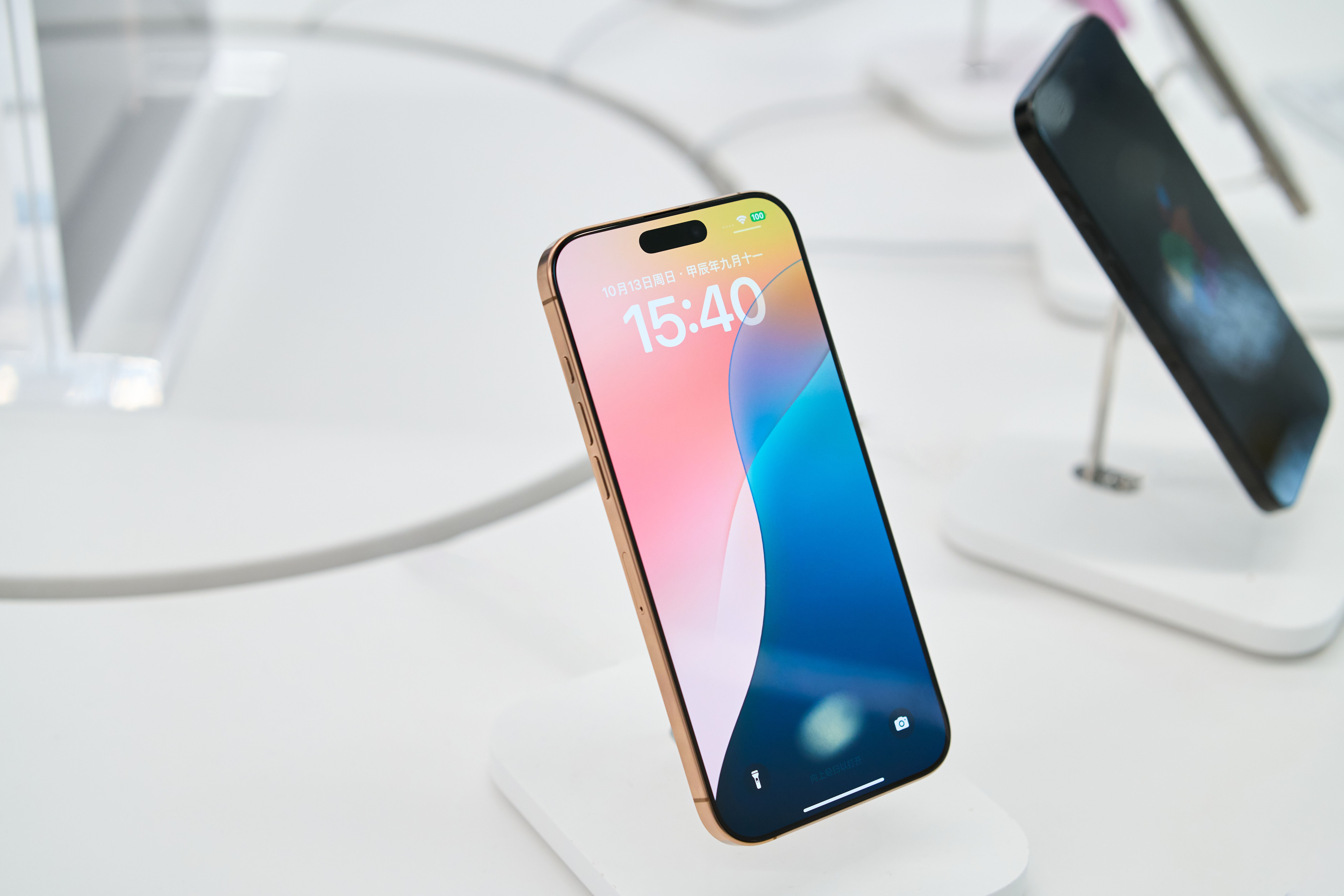
Phone stands have been around for as long as smartphones have. And for most of that time, they’ve been the kind of product that people buy, use for a week, and then shove in a drawer.
The reason isn’t that people don’t want a phone stand. It’s that most phone stands make the simple act of putting your phone down and picking it back up more annoying than it needs to be. Once that friction adds up, the stand stops getting used, and the phone goes back to lying flat on the desk.
Magnetic attachment fixed that. But to understand why, it helps to look at what came before it.
The Problem With Every Other Design
Clamp and grip stands were one of the first popular styles. A spring-loaded clamp holds the phone in from the sides, and you squeeze it open to insert or remove the device. It works, but it requires two hands and a deliberate action every time. People use their phones dozens of times a day. Multiplying that by a two-hand operation gets old fast.
Slot and groove stands are simpler — the phone just sits in a channel at the bottom. Easy to put down, easy to pick up, but the phone isn’t actually secure. Any slight bump or tap can knock it out of the slot. And because nothing is holding the phone in place, the angle options are usually fixed at whatever the slot is designed for. You get one viewing angle and that’s it.
Suction cup stands became common for car mounts and migrated to desk use. The suction holds reasonably well, but it degrades over time, leaves marks on the back of cases, and the release mechanism eventually becomes either too weak or too stiff. They also tend to be bulkier than other designs.
Ring holders and pop sockets are technically phone stands in a collapsed position, but they’re compromises in every direction — they scratch surfaces, they prevent wireless charging, and the standing angle is fixed and usually too shallow for a desk.
None of these designs are terrible in isolation. But they all share a common flaw: the act of using them takes more effort than just setting the phone down on the desk. And when using the stand is more effort than not using it, most people stop using it.
What Magnetic Attachment Actually Changes
A magnetic phone stand removes the friction from both directions — placing the phone and removing it.
You bring the phone near the mount and the magnet does the rest. It snaps into position without lining anything up, without pressing anything, without two hands. And pulling it off is the same: one motion, no resistance to fight against, no release button to find.
That sounds minor until you think about how many times you do this in a day. The difference between a one-second magnetic snap and a three-second clamp operation isn’t just speed — it’s whether the behavior becomes automatic or stays something you have to think about. When putting the phone on the stand feels the same as setting it on the desk, you actually use the stand consistently. When it requires extra steps, you don’t.
The other thing magnetic attachment enables is flexibility in the stand design itself. Because the phone doesn’t need to be physically gripped or slotted, the mount can be a single contact point on an arm or swivel, which opens up far more range of motion. Portrait, landscape, any angle in between — and the phone stays exactly where you position it without needing a separate locking mechanism.
Why the Magnet Strength Matters
Not all magnetic phone stands are equal, and the difference usually comes down to magnet strength and how the arm handles the load.
A weak magnet will hold the phone in place when nothing is touching it, but shift when you tap the screen or adjust the angle. That wobble is annoying enough to notice every time, and it undermines the main reason for having the stand in the first place.
A properly specced magnet — the kind used in MagSafe-compatible designs — locks the phone firmly enough that tapping, swiping, and typing don’t move it. The phone behaves as if it’s on a solid surface, not balanced on a magnet.
The arm matters too. An arm with soft damping holds a set position without drifting downward over time. A cheaper one with loose joints will slowly sag until the phone is pointing at the ceiling, which means you’re constantly readjusting. A well-built stand shouldn’t need to be touched after you’ve set the angle once.
The Practical Result
What all of this adds up to is a phone stand that actually stays in use. Not because it’s impressive-looking or expensive, but because it doesn’t ask anything of you. The phone goes on it automatically. The phone comes off it automatically. The angle stays where you set it.
That’s the whole job. It took the phone stand category about fifteen years to figure it out, but magnetic attachment is the mechanism that finally makes it work.